


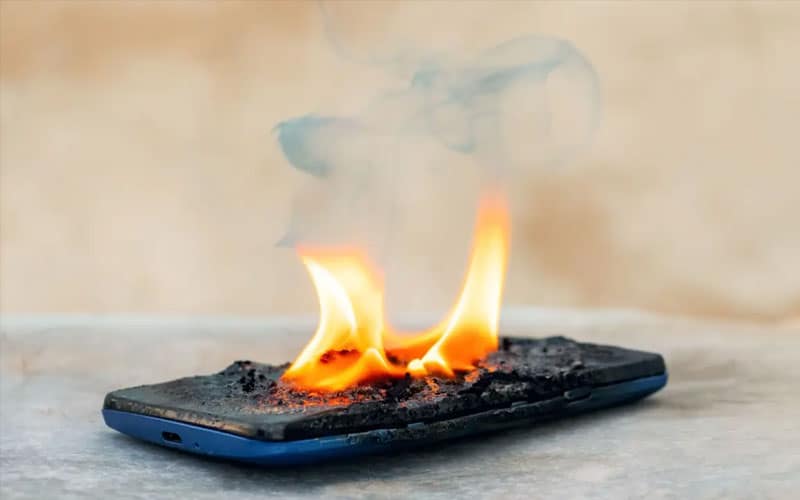
Lithium batteries power many of the devices we rely on every day—smartphones, laptops, power tools, e-bikes, and even electric vehicles. While these batteries are compact, efficient, and long-lasting, they also come with risks if not handled properly. Understanding the dangers of lithium batteries and how to use them safely can help prevent accidents and keep you and your devices protected.
The Dangers of Lithium Batteries
-
Fire Hazards
Lithium batteries can overheat, catch fire, or even explode if damaged, overcharged, or exposed to extreme heat. Thermal runaway—a chain reaction that causes the battery to release energy uncontrollably—is the primary cause of fires. -
Short Circuits
If the battery terminals are exposed or damaged, a short circuit can occur, generating high heat and potentially causing burns or fires. -
Swelling and Leaks
Overuse, improper charging, or aging can cause lithium batteries to swell or leak dangerous chemicals. A swollen battery should never be punctured or compressed, as it may ignite. -
Improper Disposal
Throwing lithium batteries in the trash can be dangerous. If crushed in a garbage truck or landfill, they can spark and start fires. -
Counterfeit or Poor-Quality Batteries
Cheaper, off-brand lithium batteries often lack built-in safety features like protection circuits, making them more likely to fail and pose risks.
Safety Measures for Lithium Batteries
-
Use the Right Charger
Always charge lithium batteries with the charger designed for your device. Using an incorrect or low-quality charger can lead to overheating or overcharging. -
Avoid Extreme Temperatures
Keep batteries away from direct sunlight, heaters, or freezing conditions. Extreme temperatures can damage the internal components and increase fire risks. -
Store Properly
If not in use, store lithium batteries in a cool, dry place. Avoid storing them fully charged or completely drained—aim for about 40–60% charge for longer life. -
Inspect Regularly
Check your devices and batteries for signs of damage, swelling, or overheating. Replace damaged or swollen batteries immediately. -
Handle with Care
Do not puncture, crush, or disassemble lithium batteries. Even small punctures can cause dangerous chemical reactions. -
Recycle Responsibly
Take used batteries to a proper recycling center or collection point. Many electronics stores and local waste facilities offer safe battery recycling programs. -
Buy Quality Batteries
Always purchase batteries and chargers from reputable manufacturers to ensure they meet safety standards.