


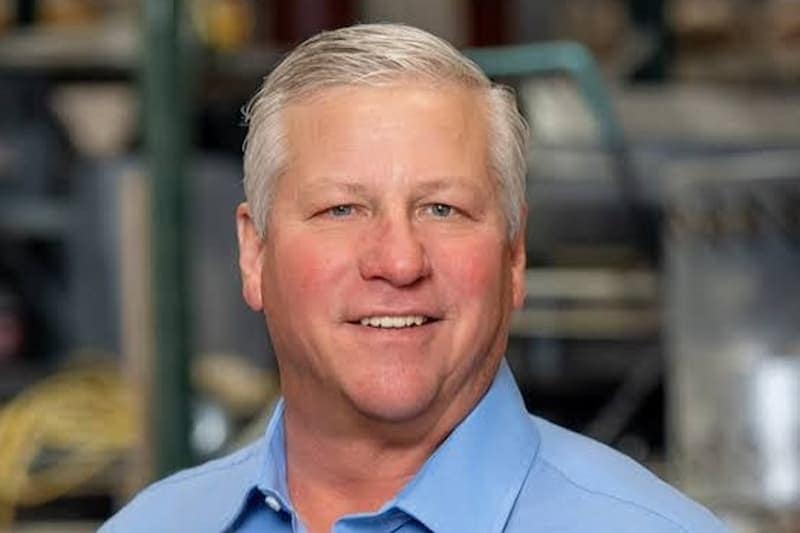
By Steve Bruns
As a developer, I’ve spent years investing in projects that create jobs, support local businesses, and put skilled tradespeople to work. From that perspective, I believe data centers represent the kind of economic development the state should welcome.
Large-scale development does not happen without skilled workers. Our projects depend on electricians, operating engineers, plumbers, pipefitters, carpenters, laborers, ironworkers, and many others. These are good careers that allow people to raise families, buy homes, and build their lives here in Ohio.
Data centers require an enormous amount of skilled construction labor. And unlike some developments, the work does not necessarily stop when the initial construction is complete. These facilities require ongoing investment, maintenance and equipment upgrades. That can translate into continued opportunities for contractors, suppliers, and skilled trades long after the ribbon cutting.
As an employer, I am also concerned about where the next generation of skilled workers will come from. Major projects create opportunities for apprentices to learn alongside experienced tradespeople and build careers without having to leave their communities to find good-paying work.
There is a larger economic-development issue here as well. Ohio is competing with other states for billions of dollars in private investment. Companies look at taxes, infrastructure, available power, permitting, workforce, and whether communities actually want investment. If we make it unnecessarily difficult to build here, those companies—and the jobs and economic activity that come with them—have other options.
Every major development should be evaluated responsibly. Communities should ask questions about infrastructure, utilities, land use, and the impact on neighboring property owners. But those conversations should also recognize what private investment means to the people whose livelihoods depend on building things.
I know because my company employs and works alongside skilled tradespeople every day. When Ohio attracts major projects, it isn’t just a win for the company putting its name on the building. It means work for contractors, paychecks for skilled workers, opportunities for apprentices, and business for countless local suppliers and service companies.
We should be looking for responsible ways to bring more investment and more opportunity for Ohio—not giving companies reasons to take those opportunities somewhere else.
Steve Bruns