


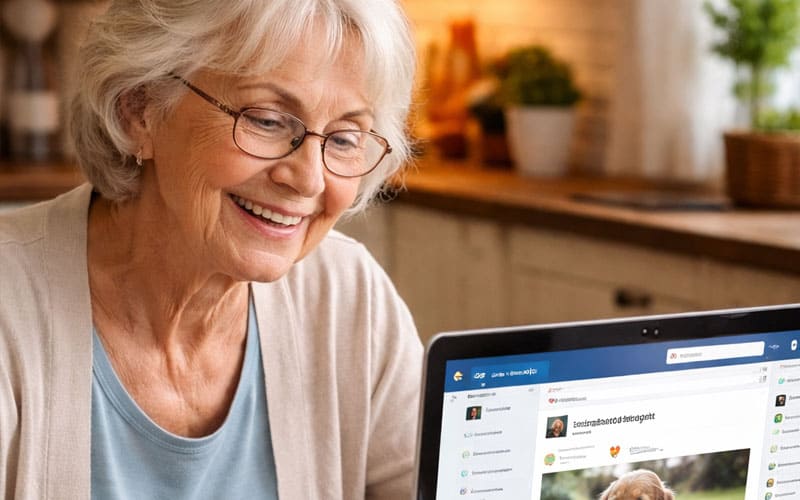
Facebook, the social networking platform that once defined how the world connected online, now carries a reputation among younger generations as the place “old people” hang out online. That perception has roots in both users’ behaviors and broader changes in how different age groups use social media.
1. Changing Generations and User Habits
When Facebook launched in 2004, it became the go-to digital space for students to keep up with classmates, share life updates, and reconnect with old friends. But over the past decade, younger users have steadily shifted to newer platforms like TikTok, Snapchat, and Instagram, which emphasize short-form video and more visual, trend-driven content.
As teenagers and adults in their early 20s spend more time on video-first platforms, Facebook’s user base has gradually skewed older, with a larger share of people in their 30s, 40s, and beyond regularly using it. This shift feeds the perception that Facebook is no longer the place for youth culture.
2. Demographics and “Cool Factor” Culture
Data from recent social media trend reports show Facebook remains one of the largest platforms globally, but its growth among teens and young adults has been far slower than rival apps. Meanwhile, platforms like TikTok are seeing explosive adoption among younger age groups.
That demographic contrast — combined with youth culture’s emphasis on “what’s new and exciting” — has led many younger internet users to dismiss Facebook as outdated or “for old people.” Whether fair or not, it’s a perception amplified in memes, social conversations, and online jokes, especially on TikTok and Reddit.
3. Different Reasons for Use Across Ages
Older users tend to rely on Facebook for staying in touch with family, sharing photos of grandchildren, and keeping up with life events — uses that often align with more stable, long-term connections rather than the trend-driven engagement common on newer apps. This focus reinforces the idea that Facebook appeals most to an older audience.
Researchers also note that older adults may use the platform in ways younger people do not — such as heavier content sharing and news engagement — which further distinguishes the Facebook experience between age groups.
4. Perception vs. Reality
Despite the stereotype, Facebook is not exclusively used by older adults. It still has billions of users worldwide and includes people of many age groups. The company has publicly pushed back against the idea that it’s only for older folks, noting its continued global relevance and large overall audience.
However, younger users’ preferences for other platforms, combined with longstanding cultural memes about Facebook “being for boomers,” have cemented the stereotype in popular discourse.