


As the holiday season begins, families across the country prepare for gatherings, gift-giving, and traditions that bring warmth and celebration. But behind the festive lights and full schedules, many individuals quietly struggle with mental health challenges that often intensify this time of year.
The Pressure Behind the Cheer
While the holidays are often portrayed as joyful and carefree, the reality can be far more complex. Financial pressures from gift buying, higher expectations for perfection, and the stress of hosting events can quickly lead to anxiety and emotional exhaustion. For some, the season represents a break in routine that disrupts sleep, diet, and overall well-being, adding to an already fragile mental state.
Loneliness and Seasonal Depression
Not everyone enters the holiday season surrounded by family or companionship. Feelings of isolation can spike, especially for those who have experienced loss, live far from loved ones, or simply don’t have a support network. Social media can amplify this loneliness as people compare their real lives to the highlight reels posted online.
Additionally, shorter daylight hours and colder weather contribute to Seasonal Affective Disorder (SAD), a form of depression that typically occurs during the late fall and winter months.
Grief That Returns Each Year
For many people, the holidays reawaken grief. Empty chairs at dinner tables, missing traditions, or memories of happier times can make the season emotionally heavy. Grief doesn’t follow a timeline, and this time of year often triggers feelings that some may have believed they had already overcome.
Family Conflict and Emotional Triggers
Family gatherings—while meant to bring people together—can sometimes lead to stress. Old conflicts may resurface, strained relationships can feel even more uncomfortable, and individuals may feel pressured to maintain a cheerful presence even when struggling internally.
Tips for Coping This Holiday Season
It’s important to acknowledge that it’s okay not to feel joyful during the holidays. Mental health professionals recommend several steps to help manage holiday-related stress:
-
Set realistic expectations and avoid pressuring yourself to create the “perfect” holiday.
-
Create a budget to help reduce financial stress—a major holiday trigger.
-
Take time for yourself, whether through quiet reflection, a short walk, or simply saying “no” to overwhelming commitments.
-
Stay connected with supportive friends or community groups, even if it’s just a quick call or message.
-
Seek sunlight and activity, both shown to improve mood during darker months.
-
Talk to a mental health professional if feelings of sadness, anxiety, or hopelessness become overwhelming.
Community Support Matters
Local organizations, churches, and social service agencies across our region often offer support groups, holiday meal programs, and community events for those feeling isolated or overwhelmed. A simple act of kindness—checking in on a neighbor, calling a family member, or reaching out to someone you know is struggling—can make a lasting difference.
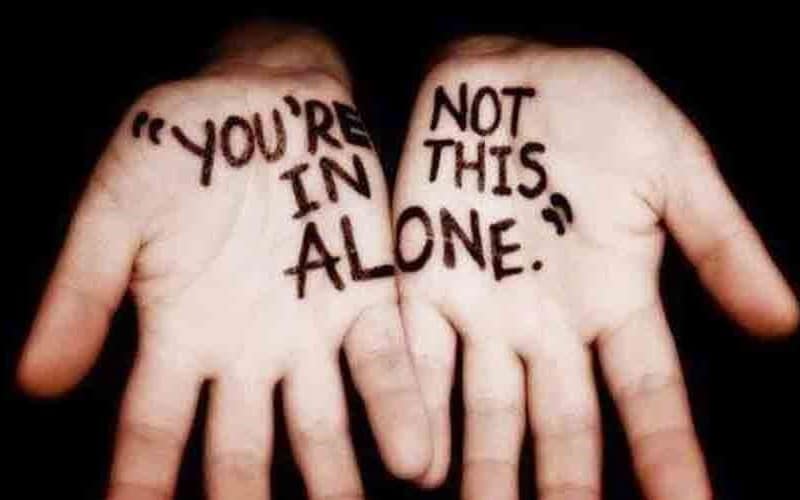
You Are Not Alone
The holiday season can be wonderful, but it can also be difficult. Recognizing and talking about mental health challenges helps remove the stigma and encourages those who are struggling to seek help. No matter what you’re facing, support is available, and brighter days are ahead.