


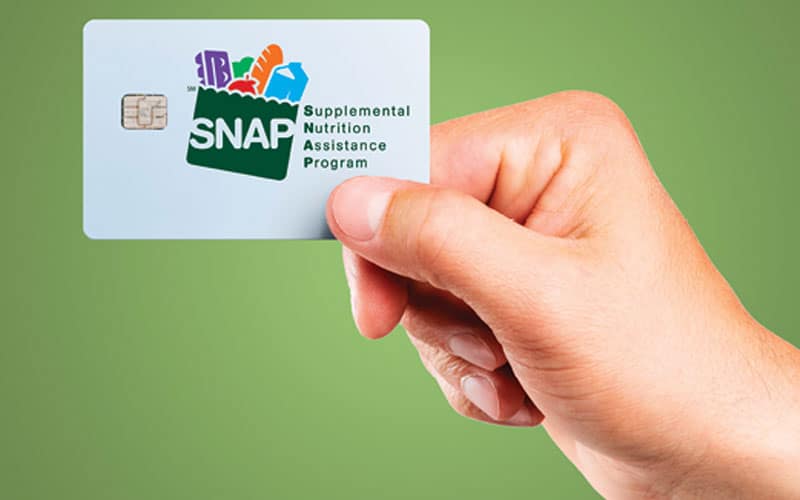
The ongoing federal government shutdown in the U.S., which began on October 1, 2025, is creating a major risk of interruption for the Supplemental Nutrition Assistance Program (SNAP) — the nation’s principal food-assistance program.
What’s happening now
-
The U.S. Department of Agriculture (USDA), which administers SNAP, has informed states that if the shutdown continues into November 2025, there will be “insufficient funding” to cover November benefit payments.
-
States such as Georgia, Michigan, Maryland and others have issued notices to recipients that November disbursements may be halted. For example, Georgia’s Department of Human Services said benefits “will not be available beginning November 1” unless funding is restored. Households that receive benefits via Electronic Benefit Transfer (EBT) can continue to use funds already loaded for October, but new payments in November are at serious risk.
Why the disruption is happening
-
SNAP is 100% federally funded — meaning it relies fully on Congressional appropriations and USDA funding streams.
-
The USDA has contingency or reserve funds, but according to a Reuters memo, it will not use those emergency funds for regular SNAP benefits in November.
-
The shutdown creates a lapse in appropriations: without a budget or continuing resolution passed by Congress, many federal spending lines cannot be executed.
Who is impacted & how significant is it
-
Roughly 42 million Americans rely on SNAP.
-
In Michigan alone, about 1.4 million residents (≈13% of households) depend on SNAP and face possible interruption of benefits in November.
-
In Georgia, about 1.4 million residents are similarly at risk.
-
States see this as not only a human-services issue but also an economic one: SNAP benefits support local grocers, farms and retailers.
What people should do / how to prepare
-
If you are a SNAP recipient: Check your EBT account for balances now and plan ahead, because new payments may not arrive in November if the shutdown continues.
-
Keep using any benefits already loaded, and budget carefully. Retailers remain authorized to accept SNAP funds already loaded.
-
Stay in touch with your state agency for updates. Some states are exploring state-funded workarounds, but reimbursement from the federal government isn’t guaranteed.
Political and broader implications
-
The freeze of benefits is elevating food-security concerns, especially among children, seniors, and low-income families.
-
States are responding differently: for example, Virginia has declared a state of emergency and pledged state funds to guarantee benefits for the time being.
-
The dispute is politically charged: both parties blame each other for the shutdown and its consequences.
What’s Next & Key Watch-Points
-
If Congress resolves the funding gap and passes the appropriations bill, SNAP disbursements can resume for November. The timing of that matters for households relying on those benefits.
-
If the shutdown drags on, food banks and local emergency food providers may face intensified demand, and vulnerable populations could face heightened food insecurity.
-
Monitoring your state’s announcements is critical: whether they will attempt to cover benefits via state funds, and whether they will expect federal reimbursement.
-
For SEO and news writing: we’ll continue to watch for first-party communications from USDA, state DHS agencies, and impacted families/food banks to capture human-impact stories and policy updates.