


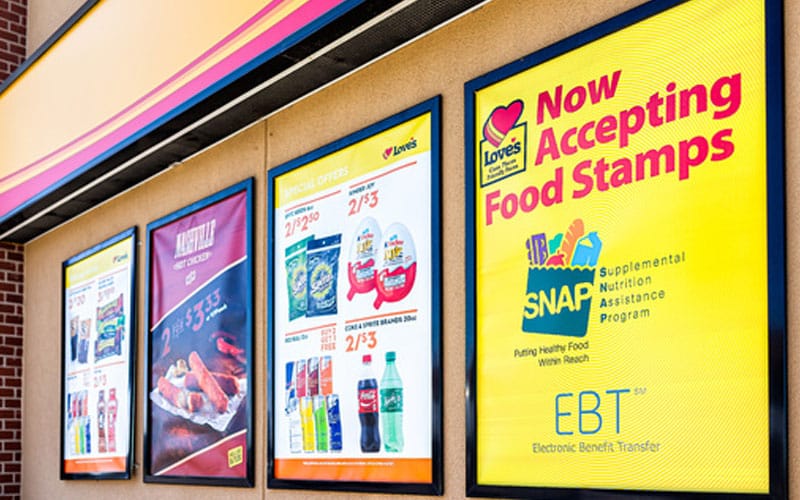
OHIO – As federal lawmakers unveil sweeping cuts to the Supplemental Nutrition Assistance Program (SNAP), Ohio faces a looming food security crisis. The “One Big Beautiful Bill,” signed into law on July 4, introduces unprecedented SNAP funding reductions and shifts lasting consequences for low-income families across the state.
A $416 Million Hole in Ohio’s Food Budget
-
Nationwide, SNAP funding is slashed by $186 billion through 2034, marking the deepest cut in U.S. history. In Ohio, that translates to an annual loss of approximately $416 million in federal food aid once the plan takes full effect after 2028.
-
The state must also begin paying 5–15% of benefit costs, up to $315 million–$645 million annually, based on error rate thresholds.
Who’s at Risk?
-
Nearly 1.5 million Ohioans—or one in nine—currently rely on SNAP; over 60% of these households include children, and over 43% include seniors or people with disabilities.
-
In real terms, thousands could face benefit reductions or total loss of eligibility due to:
-
Stricter work requirements: NABAWDS under 64 must complete 80 hours/month; non-compliance after three months triggers disqualification.
-
Utility allowance cuts: Standard deductions replaced by actual-utility measure, likely lowering monthly benefits.
-
Frozen updates to the Thrifty Food Plan, restricting benefit growth even as food prices rise.
-
Strain on Ohio Food Banks
-
Already, Ohio food banks—such as the Mid-Ohio Food Collective—are 22% down in purchasing power, following federal cuts to complementary programs.
-
Feeders, soup kitchens, and pantries fear they cannot bridge the growing gap: SNAP typically provides nine meals for every one meal from food charities.
Economic and State Budget Toll
-
Cuts to SNAP and Medicaid in Ohio amount to 5.6% of personal income, feeding into broader job and revenue losses.
-
One analysis projects Ohio could suffer 44,700 job losses and a drop of $366 million in state and local tax revenue.
-
Unless Ohio closes the funding gap—estimated between $315 million and $645 million annually—benefits face steep cuts or elimination.
Reactions from Officials
-
State Rep. Bride Rose Sweeney (D-Westlake) cautions that without federal support or new state funding, “hundreds of thousands” could lose access to basic food supplies.
-
House Speaker Matt Huffman (R-Lima) acknowledges local food banks’ critical role but warns they “can’t solve all the … food problems” without SNAP aid.
What’s Next
-
Lawmakers face tough choices: either re-allocate state budget resources to cover the SNAP deficits or reduce eligibility and benefit amounts.
-
With SNAP serving as a key economic stabilizer—each dollar spent generates $1.74 in economic activity—cutting benefits may ripple through retail and service sectors.
-
Advocates are calling for emergency legislative fixes or state-funded expansions. But given mounting deficit pressures, they argue that low-income families remain vulnerable.
Bottom Line for Ohioans
The new law represents a major policy shift: SNAP, traditionally fully federally funded, will now impose costs on states. With at least 1.5 million Ohioans relying on benefits, these combined federal and state cuts pose serious threats to food security, public health, and the broader economy, particularly in rural and low-income communities across the state.