


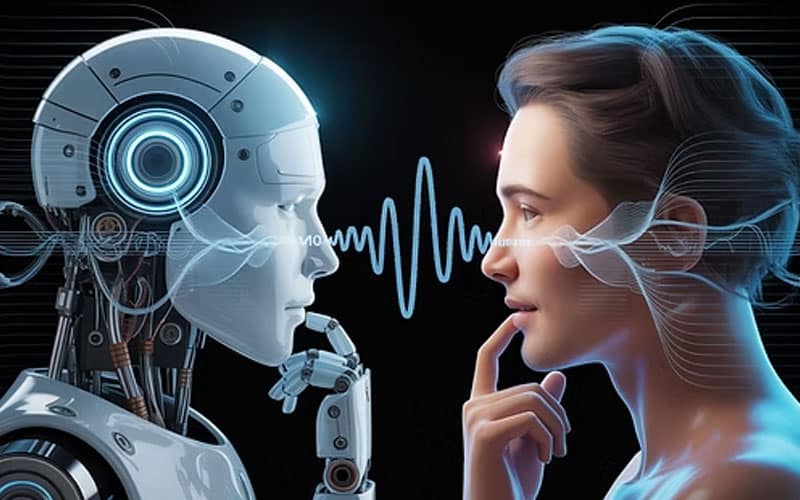
Artificial intelligence is advancing at a remarkable pace. What once seemed like science fiction—computers creating realistic images and videos, writing software, holding conversations, and completing complex tasks—is quickly becoming part of everyday life. The speed of that progress is raising an important question: Is AI developing faster than humans can effectively control it?
One concern is that technology can move faster than laws, regulations, and social norms. Governments may spend months or years debating new rules while AI companies continue releasing increasingly capable systems. By the time regulations address one generation of technology, a more advanced generation may already exist.
There are also growing concerns about misinformation, deepfakes, cybercrime, privacy, job displacement, and people becoming overly dependent on automated systems. As AI becomes more capable of acting independently through AI agents and automated tools, determining when humans should remain directly involved becomes increasingly important.
That does not mean AI is inevitably going to escape human control. Developers, researchers, governments, and businesses are working on safeguards, testing procedures, security measures, and regulations designed to reduce potential harm. AI can also provide enormous benefits in areas such as medicine, education, science, accessibility, business, and everyday productivity.
The real challenge may not be stopping AI development but making sure human judgment, responsibility, and safety advance alongside it.
AI is moving quickly, and society faces an important choice: simply react to each new development or establish sensible boundaries before the technology becomes even more powerful.
The future of artificial intelligence will depend not only on what machines become capable of doing—but also on what humans decide they should be allowed to do.