


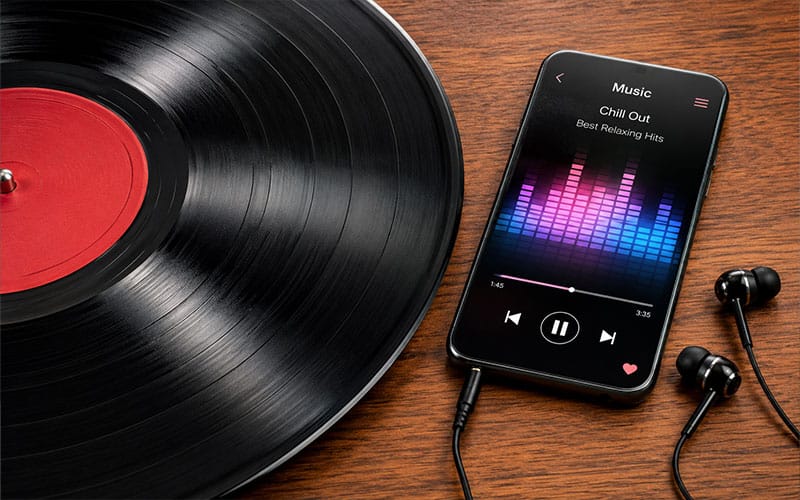
Music has always evolved alongside technology. From the first phonograph recordings to today’s artificial intelligence-powered music tools, every major technological breakthrough has changed how music is created, distributed, discovered, and enjoyed. While some innovations have challenged traditional business models, they have also opened doors for artists to reach audiences around the world like never before.
The Early Days: Vinyl and Radio
In the early 1900s, recorded music became available to the public through phonographs and vinyl records. Families gathered around record players to enjoy their favorite artists, making music more accessible than live performances alone.
Radio soon revolutionized the industry by bringing music directly into homes free of charge. Artists who received radio airplay quickly became household names, and record sales soared as listeners rushed to purchase albums from their favorite performers.
The Cassette and CD Revolution
During the 1970s and 1980s, cassette tapes changed the way people listened to music. Portable cassette players, such as the iconic Walkman, allowed fans to take their music anywhere. Mixtapes became a cultural phenomenon, letting people create personalized playlists long before digital streaming existed.
The 1980s and 1990s introduced compact discs (CDs), offering clearer sound quality and greater durability than vinyl records and cassettes. CD sales exploded, creating one of the most profitable periods in music industry history.
The Internet Changes Everything
The arrival of the internet dramatically reshaped the music business. Digital downloads allowed consumers to purchase individual songs instead of entire albums. Services like Napster introduced peer-to-peer file sharing, disrupting traditional record sales and forcing the industry to rethink its business model.
Although piracy caused significant financial losses, it also demonstrated consumers’ desire for instant access to music. This demand ultimately paved the way for legal digital music platforms.
The Rise of Streaming
Streaming services transformed music consumption more than any technology before them. Instead of purchasing albums or songs, listeners could instantly access millions of tracks through monthly subscriptions or free ad-supported services.
Streaming has changed listening habits dramatically. Personalized recommendations, curated playlists, and algorithm-driven suggestions help users discover new artists every day. Independent musicians can now upload their music directly to streaming platforms without needing a major record label, allowing talented artists from small towns and countries around the world to find global audiences.
Social Media Creates New Stars
Technology has also changed how artists build their careers. Social media platforms have become powerful promotional tools, allowing musicians to interact directly with fans, share behind-the-scenes content, and announce new releases instantly.
Many artists have found fame through viral videos rather than traditional record label promotion. A single song featured in a trending video can generate millions of streams within days, launching careers virtually overnight.
Home Studios Put Recording Within Reach
Professional recording once required expensive studio time and large production teams. Today, affordable computers, microphones, digital audio workstations, and software instruments allow musicians to produce high-quality recordings from their homes.
Independent artists can write, record, mix, master, and distribute music with equipment that costs only a fraction of what professional studios required just a few decades ago. This has democratized music production and fueled an explosion of creativity across countless genres.
Artificial Intelligence Enters the Studio
Artificial intelligence is now becoming one of the music industry’s newest frontiers. AI-powered software can assist with songwriting, generate instrumentals, improve audio quality, separate vocal tracks, and even help musicians overcome creative blocks.
While AI offers exciting possibilities, it also raises important questions about copyright, artist ownership, authenticity, and the future role of human creativity. The industry continues to explore how AI can support artists without replacing the emotional connection that human musicians bring to their work.
Live Performances Go Digital
Technology has also transformed concerts. High-definition LED displays, synchronized lighting systems, drone shows, immersive sound systems, and live streaming allow performances to reach millions of viewers worldwide. Fans who cannot attend concerts in person can still experience events from their homes through livestreams and virtual platforms.
Looking Toward the Future
The music industry continues to evolve at a remarkable pace. Virtual reality concerts, blockchain-based royalty systems, immersive audio formats, and increasingly sophisticated AI tools are expected to shape the next generation of music experiences.
Despite every technological advancement over the past century, one thing has remained constant: people’s love for music. Technology has changed the way songs are created, shared, and enjoyed, but it has not changed music’s ability to inspire, comfort, and connect people across cultures and generations.
As innovation continues, the music industry will undoubtedly face new challenges and opportunities. Artists who embrace emerging technologies while staying true to their creativity will be well-positioned to thrive in the ever-changing digital landscape.