


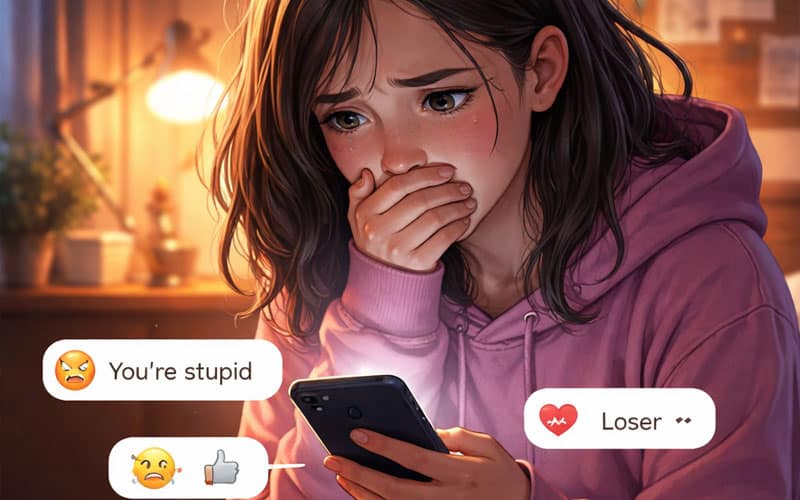
Across the United States, concern is growing among parents, educators, and health professionals over how social media is impacting the mental health of children and teenagers. As platforms like TikTok, Instagram, Snapchat, and YouTube become central to youth culture, experts say the digital environment is shaping how young people see themselves — and the world — in profound ways.
Rising Screen Time, Rising Concerns
According to national health surveys, children are gaining access to smartphones at younger ages than ever before. Many teens report spending three to five hours per day — or more — scrolling, posting, and interacting online.
Mental health professionals point to a steady increase in anxiety, depression, sleep disruption, and body image concerns among adolescents over the past decade. While social media is not the sole cause, researchers say its influence cannot be ignored.
“Social media amplifies comparison,” said one school counselor. “Teens are constantly exposed to curated, filtered versions of other people’s lives. That can create unrealistic standards.”
The Comparison Trap
Platforms built around images and short-form videos often reward appearance, popularity, and viral moments. Teens may measure their worth by likes, shares, and follower counts. When posts don’t perform well, it can trigger feelings of rejection or inadequacy.
Girls, in particular, report heightened pressure related to body image. Boys are not immune, with growing concerns around physique, status, and performance expectations.
Cyberbullying also remains a significant issue. Unlike traditional bullying, online harassment can follow a child home and remain visible around the clock.
Sleep and the 24/7 Connection
Sleep disruption is another major factor. Notifications, late-night scrolling, and fear of missing out — often referred to as FOMO — keep many teens online long past healthy bedtimes. Research consistently shows that lack of sleep contributes to mood instability, difficulty concentrating, and increased stress.
The Positive Side of Social Media
Not all impacts are negative. Social media can help teens:
-
Stay connected with friends and family
-
Find communities that share similar interests or identities
-
Access mental health resources
-
Express creativity
For some young people — particularly those who feel isolated in their physical communities — online spaces can offer belonging and support.
What Parents and Schools Can Do
Experts recommend a balanced approach rather than complete restriction. Strategies include:
-
Setting device-free times (especially before bed)
-
Encouraging open conversations about online experiences
-
Teaching digital literacy and critical thinking
-
Modeling healthy tech habits
Several states are also debating age verification requirements and stronger protections for minors online, reflecting growing bipartisan concern about digital safety.
A Growing National Conversation
As lawmakers consider legislation and tech companies face increasing scrutiny, the broader conversation continues: How can society protect children while preserving the benefits of digital connection?
For families, the answer may start at home — with awareness, communication, and intentional boundaries in an always-connected world.